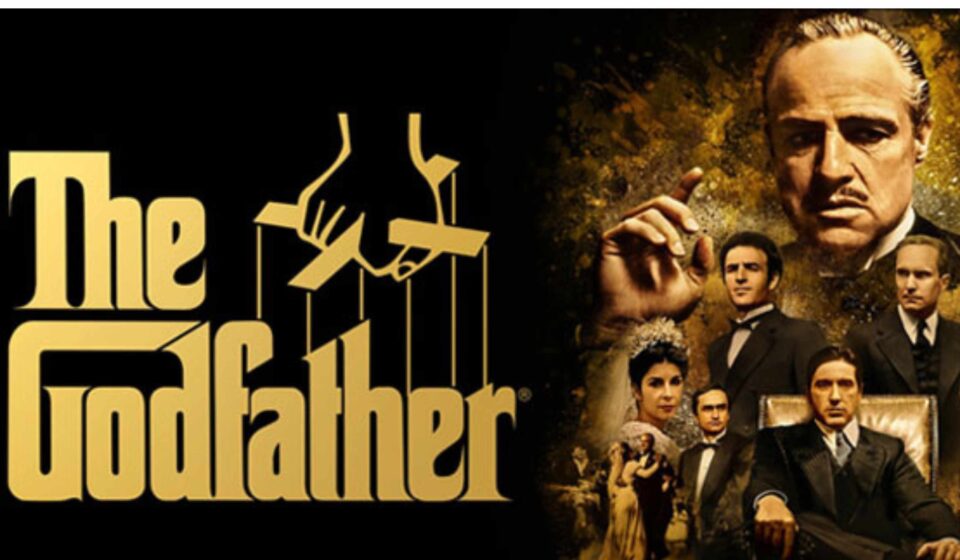

The Godfather is not merely a gangster film — it is one of cinema’s greatest meditations on power, family, loyalty, and corruption. Directed by Francis Ford Coppola and based on Mario Puzo’s novel, the film transformed the crime genre into something deeply operatic and emotionally profound. Even decades after its release, The Godfather remains timeless because it does far more than tell the story of a mafia family; it explores the human cost of power and the tragic transformation of identity.
At the center of the film is the legendary performance of Marlon Brando as Don Vito Corleone, the aging patriarch of the Corleone crime family. Brando’s portrayal is quiet yet commanding, creating a character who feels both terrifying and strangely compassionate. Don Corleone believes in loyalty, respect, and family above everything else, and his philosophy becomes the moral foundation of the film. Yet beneath the surface lies a world built on violence, manipulation, and fear. The genius of the movie is that it never glorifies crime completely nor condemns it simplistically; instead, it presents the mafia as a parallel system of power that mirrors politics, business, and society itself.
The emotional core of the story, however, belongs to Al Pacino’s Michael Corleone. Michael begins as the outsider of the family — educated, calm, and determined to stay away from the criminal empire his father built. But as circumstances spiral into betrayal and violence, he slowly transforms into the very thing he once rejected. This transformation is one of the greatest character arcs in cinematic history because it feels tragic, inevitable, and deeply human. Michael does not become ruthless overnight; power gradually consumes him, until the line between protection and corruption disappears entirely.
What makes The Godfather extraordinary is its atmosphere and storytelling. Every frame feels deliberate, rich with shadow, silence, and tension. The cinematography creates a world that feels intimate yet dangerous, where conversations at dinner tables carry the weight of life and death. The film’s pacing is patient, allowing emotions and relationships to breathe rather than rushing toward action. Even its violence feels meaningful rather than sensational, often serving as a reflection of betrayal, revenge, or the brutal logic of power.
The movie also explores the idea of family in a deeply layered way. For the Corleones, family is both a source of love and a prison. Loyalty binds them together, but it also traps them within cycles of violence and sacrifice. The famous line, “I’m gonna make him an offer he can’t refuse,” has become iconic not merely because it sounds threatening, but because it captures the film’s entire philosophy — power often operates quietly, through influence and inevitability rather than open force.
Another reason The Godfather remains influential is its realism and emotional intelligence. Unlike many crime films that focus solely on action or glamour, Coppola creates a story about consequences. Every decision leaves emotional scars. Every rise to power demands a sacrifice of innocence. Michael’s final transformation, especially in the haunting ending, reveals how ambition and authority can isolate a person from their humanity.
Ultimately, The Godfather is a masterpiece because it transcends genre. It is not simply a movie about gangsters; it is a tragedy about the corruption of the soul, the burden of legacy, and the dangerous seduction of power. Its influence can still be seen across modern cinema, yet very few films have matched its emotional depth, visual elegance, and philosophical complexity. Decades later, The Godfather continues to endure not just as a classic film, but as one of the greatest works of art ever created in cinema.