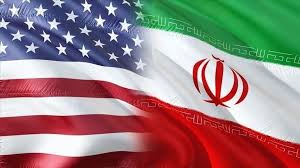

The United States and Iran have indicated that diplomatic efforts to end the ongoing conflict may finally be gaining momentum, though major disagreements continue to block a final agreement. At the center of the dispute remain Iran’s enriched uranium stockpile and Tehran’s proposals involving the strategically crucial Strait of Hormuz, one of the world’s most important maritime trade routes.
Speaking in Miami on Thursday, Marco Rubio said there were “good signs” emerging from the negotiations and suggested that both sides appeared closer to a possible breakthrough. However, Rubio warned that any peace agreement would become impossible if Iran attempted to impose permanent tolls or restrictions on international shipping through the Strait of Hormuz. He stressed that the waterway must remain open and accessible to global trade, describing any tolling system as “unacceptable” to the international community. Rubio also hinted that the United States was prepared to consider alternative measures if negotiations failed to produce a satisfactory outcome.
The comments came shortly after Iranian officials signaled cautious optimism regarding the latest American proposal. According to reports carried by the semi-official Iranian Students’ News Agency, the newest U.S. framework had helped narrow some of the differences between the two countries. Tehran is currently reviewing the proposal while continuing indirect exchanges with Washington based on Iran’s previously outlined 14-point peace framework. Iranian sources suggested that additional progress would depend largely on what they described as Washington abandoning the “temptation for war.”
One of the most contentious issues remains the future of the Strait of Hormuz. The narrow passage connects the Persian Gulf to global shipping lanes and carries a substantial portion of the world’s oil exports. Recent reports indicated that Iran and Oman had discussed the possibility of creating a payment mechanism that would regulate and potentially charge vessels moving through the strait. The proposal immediately triggered strong opposition from Washington.
Donald Trump firmly rejected the idea, insisting that the United States maintained “total control” over ensuring freedom of navigation in the region. Speaking to reporters, Trump emphasized that the Strait of Hormuz is an international waterway and should remain open, free, and unrestricted for global shipping. His remarks underscored the broader American concern that any Iranian influence over the route could threaten international energy markets and global trade stability.
Despite signs of diplomatic movement, tensions between the two sides remain extremely high. The uneasy ceasefire has done little to reduce strategic pressure, with Iran continuing to obstruct movement through the Strait of Hormuz while the United States maintains blockades on Iranian ports. These parallel confrontations have created a fragile and volatile environment in which even small diplomatic setbacks could reignite broader conflict.
Still, the latest statements from both Washington and Tehran suggest that negotiations are entering a more serious phase after weeks of deadlock. While a final agreement remains uncertain, the narrowing of differences indicates that both governments may be searching for a way to prevent further escalation. The coming days are expected to prove critical as negotiators attempt to resolve disputes over nuclear concerns, maritime control, and regional security without collapsing the fragile ceasefire currently in place.